

LEARNING
Religious School
Youth
Fred Devinki Religious School
Kehilath Israel is proud to offer tuition-free education to all its members. Students in Pre-K through 7th grade meet on Sunday from 9:15-11:30am. Grades 3-7th meet additionally on Wednesday from 4:30-6:15pm. Curriculum is designed to offer a quality Jewish education, bringing Judaism to life by caring for those in need, and accomplishing good deeds.
Our goal is that during their Religious School education students will achieve:
- Knowledge of the major mitzvot in the Torah
- Familiarity with the major Biblical characters and stories
- An understanding of the various Torah portions and Prophets
- Introduction to Mishnah and Talmudic debate
- Understanding and participating in Jewish holiday observance and practice
- Fluency in reciting and understanding the Jewish Prayers
- Ability to read, write, and understand basic Hebrew
Shul Jr.
Come join us the third Shabbat of the month for Shul Jr. Kid-led services with prayer, songs, Torah learning, vigorous debates, and prizes! Geared to kids ages pre-k through bar/bat mitzvah. Parents are free to stay or attend the main service. Held 10-11 a.m. in the chapel. See you there!
Group Aleph/1: K-2 (Ages 5-7) “I Am a Part of the Jewish People”
Goals: Introduce foundational concepts of Jewish life in a fun, positive, and concrete way. The focus is on stories, songs, and hands-on activities.
Torah: The story of the Torah and its importance. Deeper dive into a few select stories from the Torah (e.g., Creation, Noah, the Patriarchs and Matriarchs).
- The Stories of Creation: Focus on the beauty of Shabbat and the world God created.
- Stories of the Avot and Imahot (Patriarchs and Matriarchs): Abraham, Sarah, Isaac, Rebecca, Jacob, Rachel, and Leah. Emphasize themes of hospitality, family, and faith.
- The Story of Moses: Introduce Moses as the leader who helped the Jewish people. Focus on the Exodus story in a simple, non-frightening way (e.g., leaving Egypt, crossing the sea).
Prayer (Tefillah):
- Core Prayers: Learn the Shema and Modeh Ani (or Modah Ani for girls). Teach the meaning of each prayer.
- Blessings (Berachot): Learn and practice simple blessings for food (HaMotzi, blessings over snacks) and other daily activities.
- Songs: Use simple, repetitive songs to learn the names of prayers and parts of the service.
Mitzvot (Commandments) & Values: Simple, age-appropriate good deeds.
- Kindness (Gemilut Chasadim): Simple acts of kindness towards friends and family.
- Honoring Parents (Kibud Av V’em): Helping at home, using respectful language.
- Charity (Tzedakah): Introduce the concept of giving to others. Use a class tzedakah box.
- Honesty (Emet): The importance of telling the truth.
- Mezuzah: The idea of a Jewish home.
- Synagogue: The function of the synagogue and its special objects.
Holidays (Chagim): The major Jewish holidays and their unique symbols.
- High Holidays: Introduce the concepts of Teshuvah (repentance) and forgiveness. Make honey cakes for Rosh Hashanah and learn the sound of the shofar.
- Sukkot: Build a small sukkah together, decorate it, and eat snacks inside.
- Chanukah: Learn the story of the Maccabees. Make latkes and play with dreidels.
- Purim: Dress up in costumes and listen to a simplified version of the Megillah.
- Passover (Pesach): Learn the story of the Exodus. Practice the Four Questions and identify the sederplate items.
- Shabbat: The rhythm of the week and the specialness of Shabbat. Focus on Shabbat as a special day of rest and family. Make challah, light candles, and sing Shalom Aleichem.
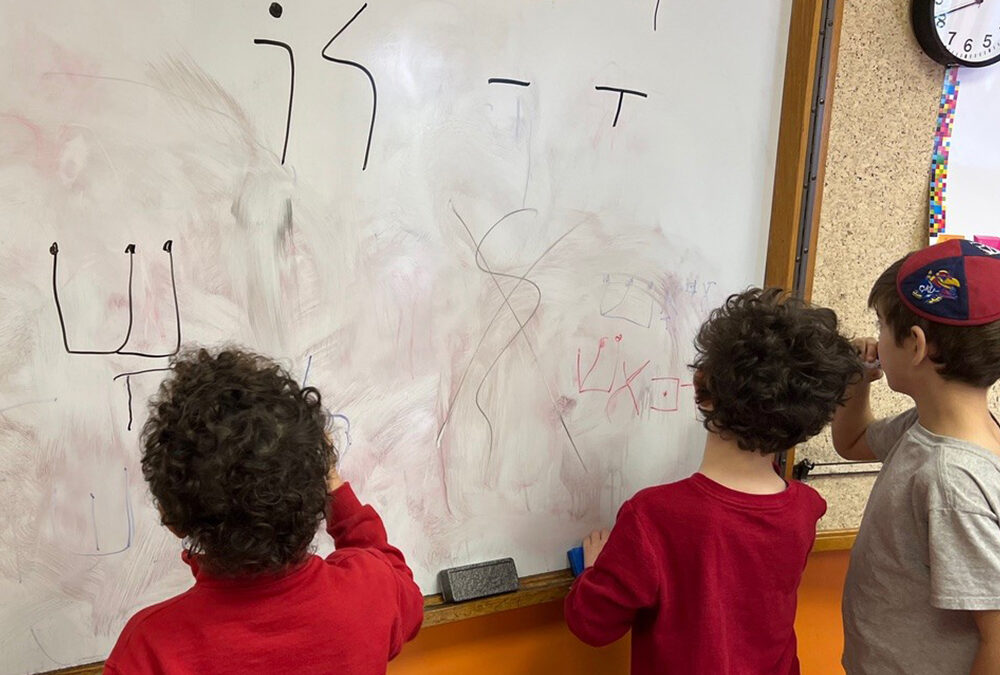
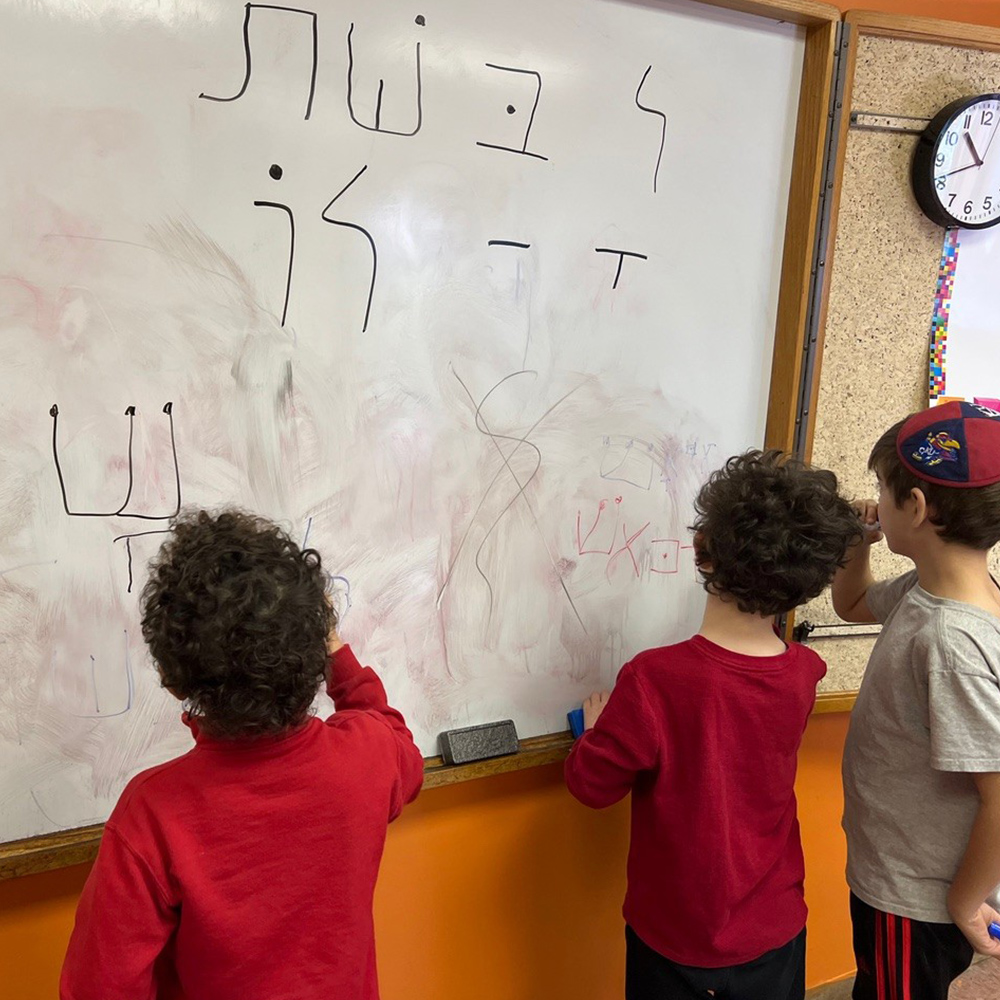
Hebrew: Introduction to a few key Hebrew words and phrases, such as Shalom, Toda, and Shabbat Shalom. Students learn to recognize the letters of the Aleph-Bet, with a focus on letter recognition and some basic decoding. Students begin to practice writing the letters.
Group 2: 3-4 (Ages 8-10) “I Live a Jewish Life”
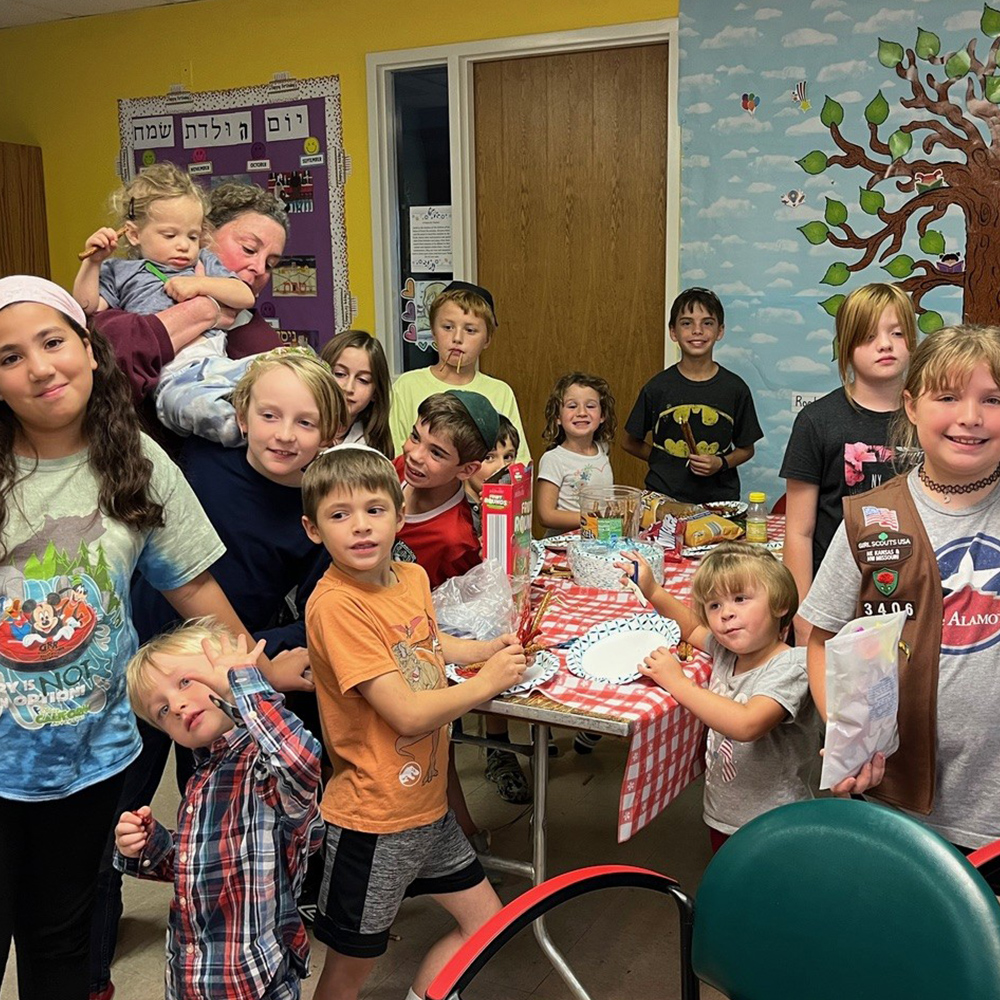
Goals: Deepen understanding of core Jewish texts and traditions. Introduce more complex narratives and the reasons behind mitzvot. Begin more formal Hebrew instruction.
Torah:
- Introduction to the Tanach: Be familiar with the parts of the Tanach- Torah, Nevi’im and Ketuvim.
- Emphasis on the Torah: Learn the names of the five books (Bereishit, Shemot, Vayikra, Bamidbar, Devarim) and their general themes.
- Torah Stories: Jewish Peoplehood: The concepts of Am Yisrael (The People of Israel) and Eretz Yisrael (The Land of Israel).
- Deeper Look at B’reishit (Genesis): Study the stories of Joseph and his brothers, focusing on themes of forgiveness and family reconciliation.
- Exodus and the Giving of the Torah: More detailed study of the Exodus narrative. Learn about the Ten Commandments and their significance.
Prayer (Tefillah):
- Structured Prayer Service: Learn the order of the morning prayer service (Shacharit). Practice saying blessings with proper pronunciation and melody.
- Key Prayers: Learn to recite and understand the meaning of Barechu, Shema, Amidah (introductory blessings), and Aleinu
- Individual Prayer: Introduce the idea of personal prayer and reflection.
Mitzvot (Commandments) & Values:
- Respect for Elders and Teachers: Discuss the importance of showing respect to those who have wisdom and knowledge.
- Laws of Kashrut: Learn the basic principles of keeping kosher, including separate meat and dairy.
- Tzedakah and Social Justice: Understand that tzedakah is not just a donation but an act of justice. Discuss ways to help the less fortunate in the community.
- The Sanctity of Life (Pikuach Nefesh): Introduce the concept that saving a life takes precedence over almost all other mitzvot.
Holidays (Chagim):
- Deeper Meaning of Holidays: Study the historical and theological reasons behind each holiday.
- Rosh Hashanah and Yom Kippur: Understand the concepts of personal accountability and communal repentance.
- Seder Plate Symbolism: In-depth study of the symbolic items on the seder plate.
- Shavuot: Learn the story of the receiving of the Torah at Mount Sinai.
Hebrew Reading: Begin formal Hebrew reading instruction, use prayers as a learning tool
Group 3: 5-6 (Bar & Bat Mitzvah Age) “I am a Role Model and Leader of my Community”
Goals: Prepare students for their Bar or Bat Mitzvah ceremonies and for a lifetime of Jewish learning. The curriculum is more rigorous and includes a deeper dive into Jewish law, ethics, and history.
Torah:
- In-Depth Parsha (Weekly Torah Portion) Study: Each student studies their specific Parsha for their Bar or Bat Mitzvah.
- Commentary and Interpretation: Introduce students to basic Torah commentary (Rashi or other classical commentators) and encourage them to form their own interpretations.
- Legal and Ethical Issues: Examine the legal and ethical dilemmas within the Torah stories (e.g., the story of Abraham and Isaac, the laws of justice in Deuteronomy).
Prayer (Tefillah):
- Mastering the Service: Students should be able to navigate the Shabbat morning service with ease.
- Learning Tropp (Cantillation): For students preparing to read from the Torah, this is a central component.
- Understanding the Structure of Prayer: Deconstruct the Amidah and other central prayers to understand their structure and content.
- Spiritual Practice: Encourage students to view prayer not just as a ritual but as a form of personal communication with God.
Mitzvot (Commandments) & Jewish Ethics:
- Bar/Bat Mitzvah as a Milestone: Understand that becoming a Bar/Bat Mitzvah is not an end but a beginning of a greater responsibility to fulfill mitzvot.
- The Mitzvah of Tefillin (for boys): Learn the laws and symbolism of laying tefillin.
- The Mitzvah of Tzitzit (for boys): Understand the significance of the fringes on the tallis.
- Jewish Law (Halacha): Introduce the concept of Halacha and its source in the Torah and rabbinic tradition.
- Jewish Ethics (Mussar): Discuss core ethical principles like treating others with dignity (kavod ha’beriyot), avoiding gossip (lashon hara), and the importance of integrity.
Holidays (Chagim):
- Holiday Observance: Focus on the practical laws of each holiday, such as preparing for Passover, the laws of building a sukkah, and the proper way to light the Chanukah menorah.
- Historical Context: Study the historical development of each holiday and its modern significance.
- Fasting: Discuss the meaning and purpose of fasting on Yom Kippur and other fast days.
- Shabbat Deep Dive: In-depth study of the mitzvot of Shabbat and how they create a special and holy atmosphere.
Hebrew Reading: Emphasis on learning Hebrew vocabulary and grammar, confidence in Hebrew reading accuracy as well as fluency in prayers

Adult learning